

Artificial Intelligence (AI) is no longer something children will only encounter in the future—it’s already shaping the world they live in today. From smart assistants and recommendation algorithms to self-driving cars and robotics, AI is becoming an essential part of everyday life.
As more enrichment centres begin offering AI courses for children, parents are often left wondering:
“How do I know which AI school is actually good?”
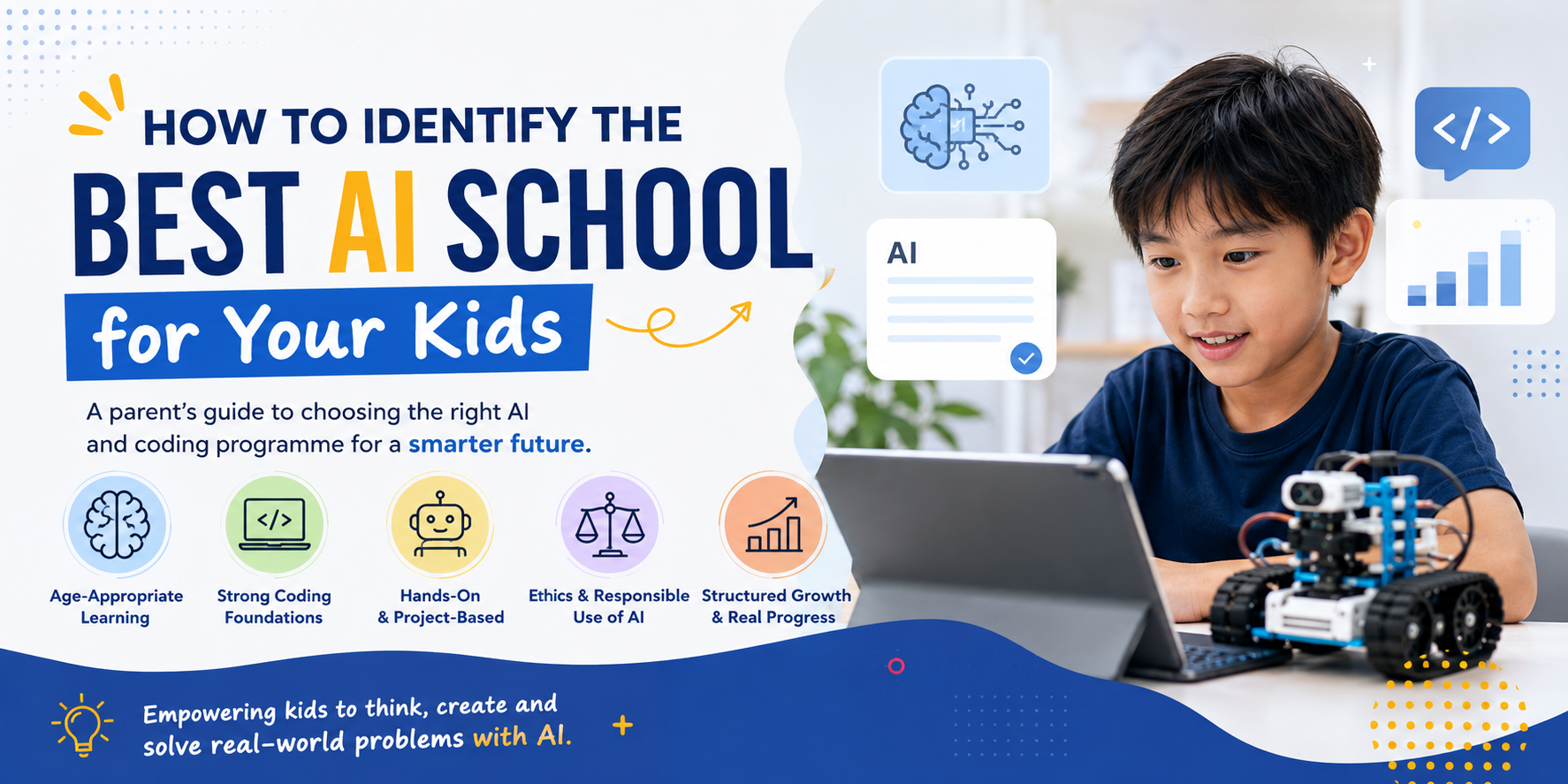
The answer isn’t simply choosing the centre with the most advanced technology or the biggest marketing budget. Instead, it’s about finding a programme that develops the right skills at the right age.
Here are some key factors every parent should consider.
1. Look Beyond “Using AI”
Many programmes advertise that they “use AI.” However, there’s an important difference between:
- Children simply using AI tools like ChatGPT to answer questions, and
- Children learning how AI works, how to build with it, and how to use it responsibly.
A quality AI programme should help children become creators rather than just consumers of AI technology.
2. AI Should Be Age-Appropriate
A five-year-old and a twelve-year-old learn very differently.
Young children benefit from hands-on activities involving storytelling, robots, pattern recognition, and logical thinking before introducing more complex AI concepts.
Older students can begin exploring topics such as:
- Machine learning concepts
- Computer vision
- AI ethics
- Python programming
- Data analysis
- Building simple AI applications
A good school should have a clear progression instead of teaching the same content to every age group.
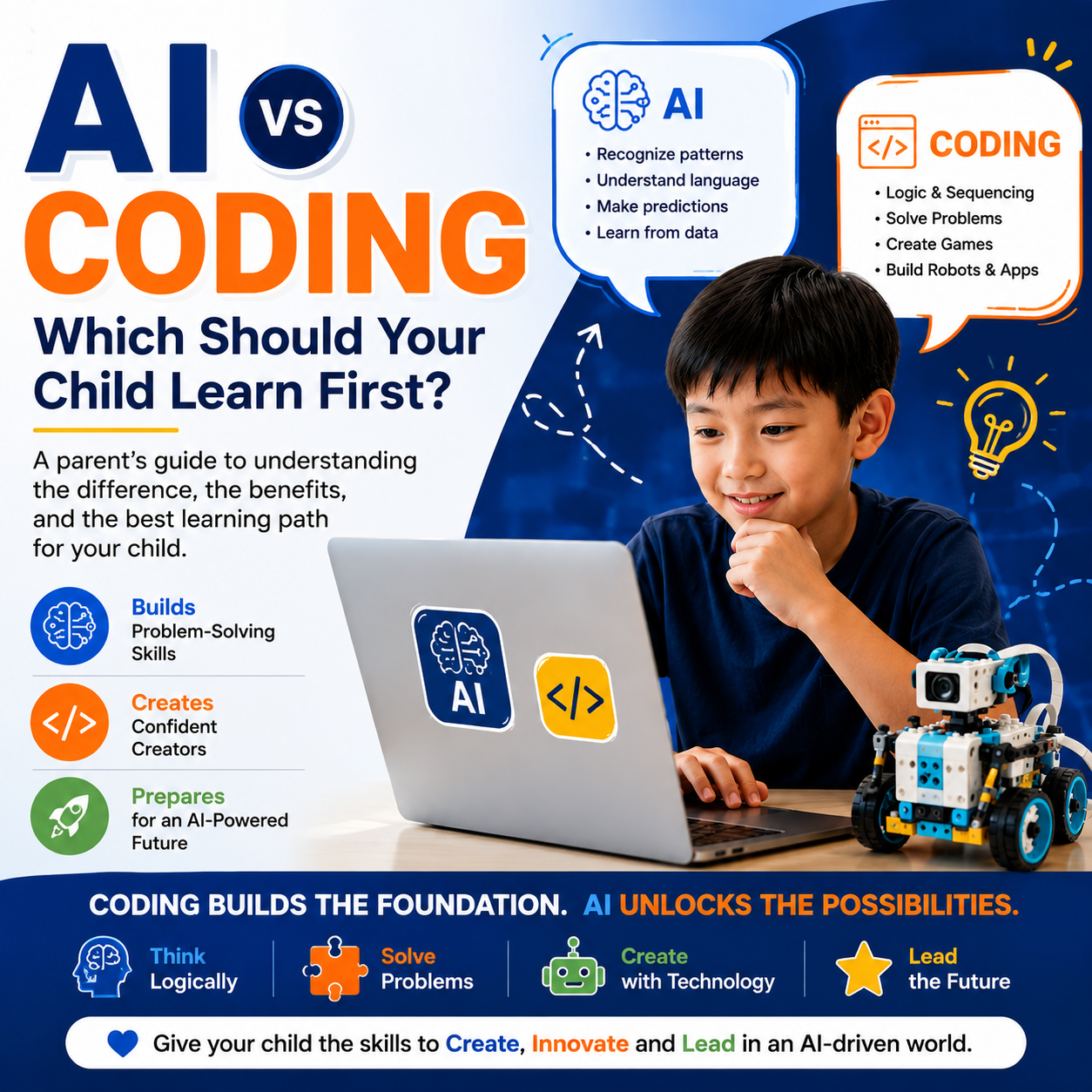
3. Strong Coding Fundamentals Still Matter
AI doesn’t replace programming—it builds upon it.
Before children can understand how AI makes decisions, they should first develop skills such as:
- Logical thinking
- Sequencing
- Problem-solving
- Debugging
- Computational thinking
These foundational skills allow children to understand technology instead of simply following instructions.
4. Hands-On Learning Is More Effective Than Watching
Children learn best when they actively build and experiment.
Look for programmes that include activities such as:
- Programming robots
- Creating AI-powered projects
- Building games
- Solving real-world challenges
- Testing and improving their own ideas
Hands-on experiences help children understand concepts more deeply than simply watching demonstrations or completing worksheets.
5. Ask What the Children Actually Build
Instead of focusing only on the software or robot being used, ask questions like:
- What projects will my child complete?
- What skills will they learn by the end of the course?
- Will they create something independently?
- How do projects become more challenging over time?
The quality of student projects often says more about a programme than the list of technologies it uses.
6. AI Education Should Include Ethics
As AI becomes increasingly common, children also need to understand how to use it responsibly.
Good programmes should introduce age-appropriate discussions around topics such as:
- Bias in AI
- Privacy
- Misinformation
- Copyright
- Responsible use of AI tools
- When human judgement is still important
Teaching children when not to rely on AI can be just as valuable as teaching them how to use it.
7. Real Learning Takes Time
AI isn’t something children master in a single holiday workshop.
While introductory workshops can spark interest, long-term programmes allow children to gradually build knowledge and confidence through increasingly challenging projects.
Parents should look for schools with a structured curriculum rather than disconnected standalone classes.
8. Teachers Matter More Than Technology
The newest robots or AI software won’t automatically create a better learning experience.
Experienced instructors can adapt lessons, answer questions, encourage creativity, and inspire curiosity—qualities that no technology can replace.
When evaluating a school, consider asking about:
- Instructor training
- Class sizes
- Student-to-teacher ratio
- How progress is assessed
- How students are supported when they struggle
9. Look for Opportunities Beyond the Classroom
Some schools provide opportunities for students to apply their knowledge through:
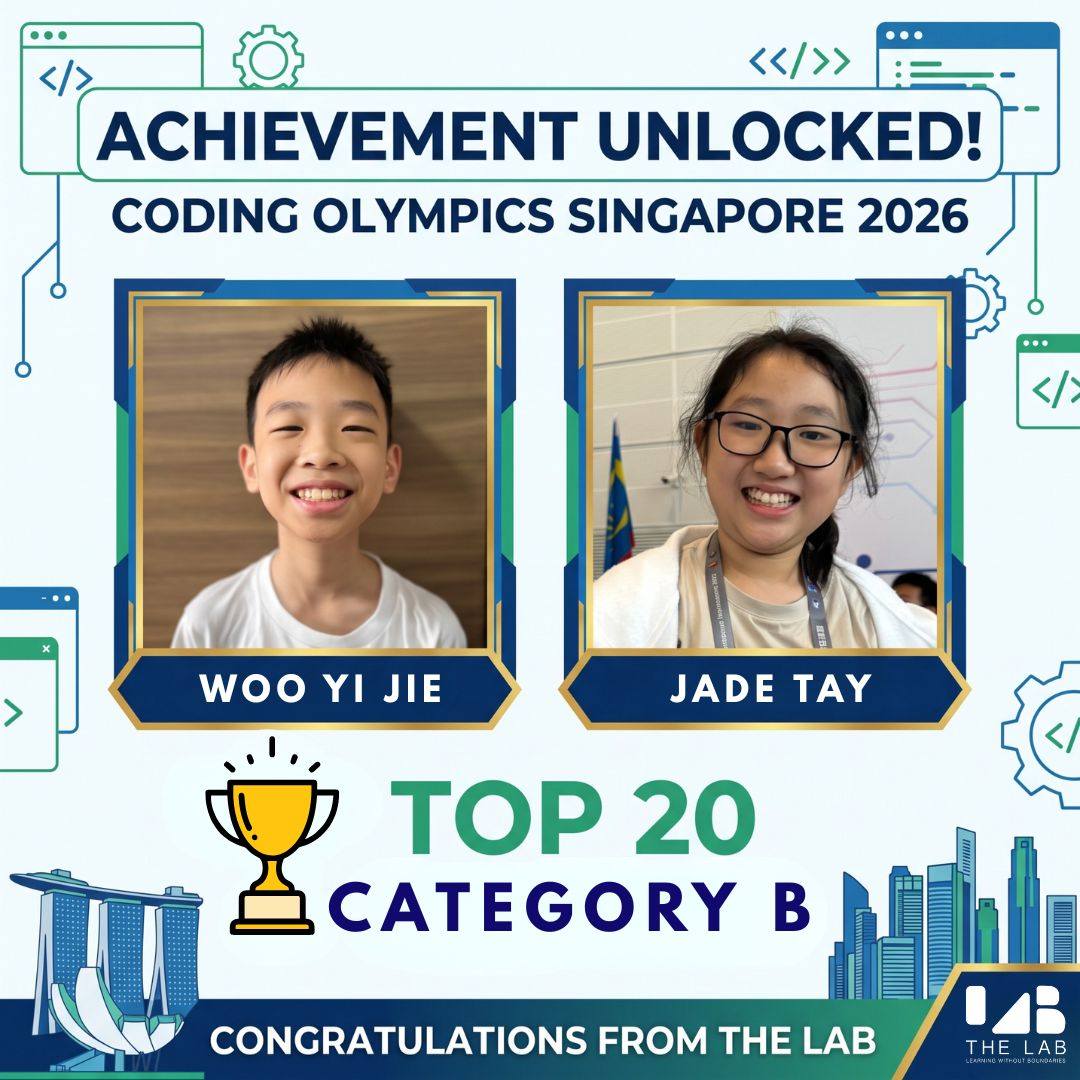
- Coding competitions
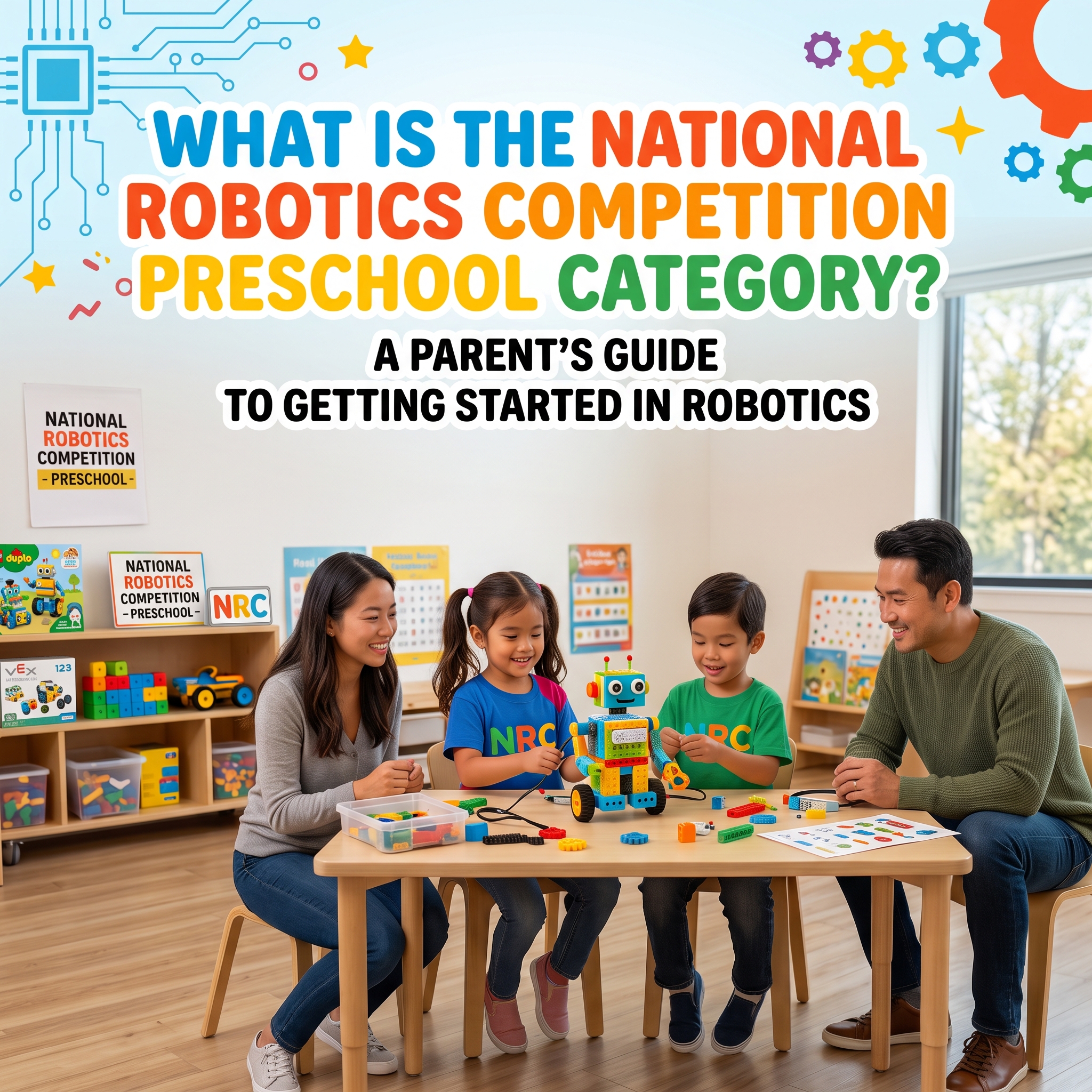
- Robotics competitions
- Hackathons
- Project showcases
- Community events
These experiences help children build confidence, teamwork, communication skills, and resilience while applying what they have learned.
10. Choose a School That Inspires Curiosity
Perhaps the most important question isn’t:
“Will my child become an AI engineer?”
Instead, ask:
Will this programme help my child become curious, confident, and excited about solving problems with technology?”
The best AI education doesn’t simply teach children how to use today’s tools—it equips them with the thinking skills to adapt to tomorrow’s technologies.
Final Thoughts
Every child learns differently, and there isn’t a single “best” AI school for every family. The right programme depends on your child’s age, interests, learning style, and long-term goals.
When comparing different schools, look beyond marketing claims and ask thoughtful questions about the curriculum, teaching approach, progression, and the skills children will develop over time.
A strong AI education should help children become creative thinkers, capable problem-solvers, and responsible users—and creators—of technology, preparing them for a future where AI will play an increasingly important role.